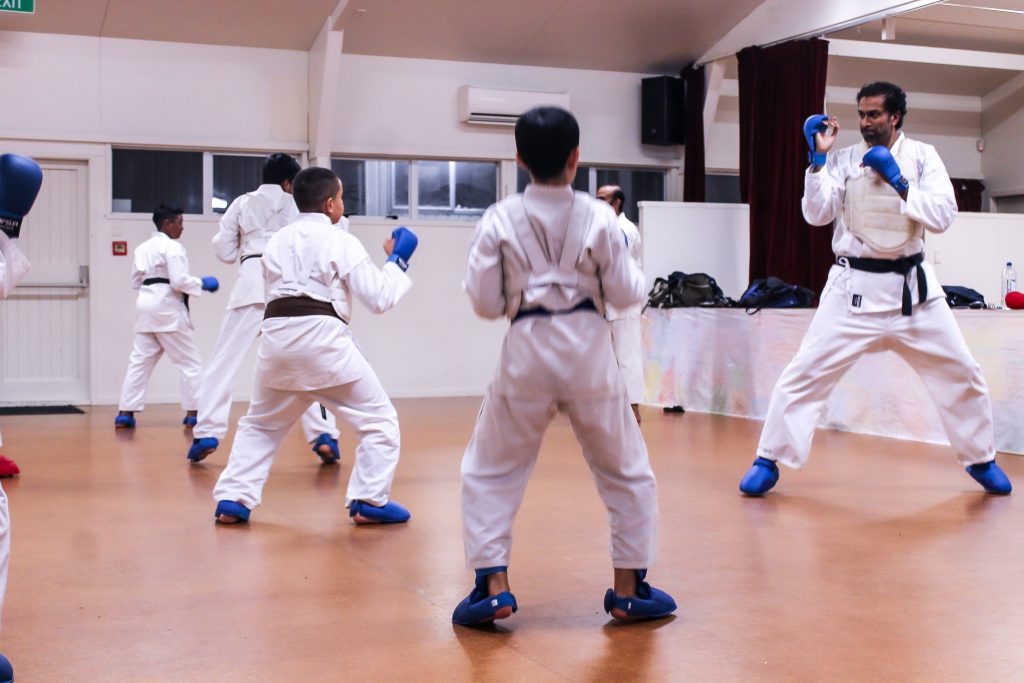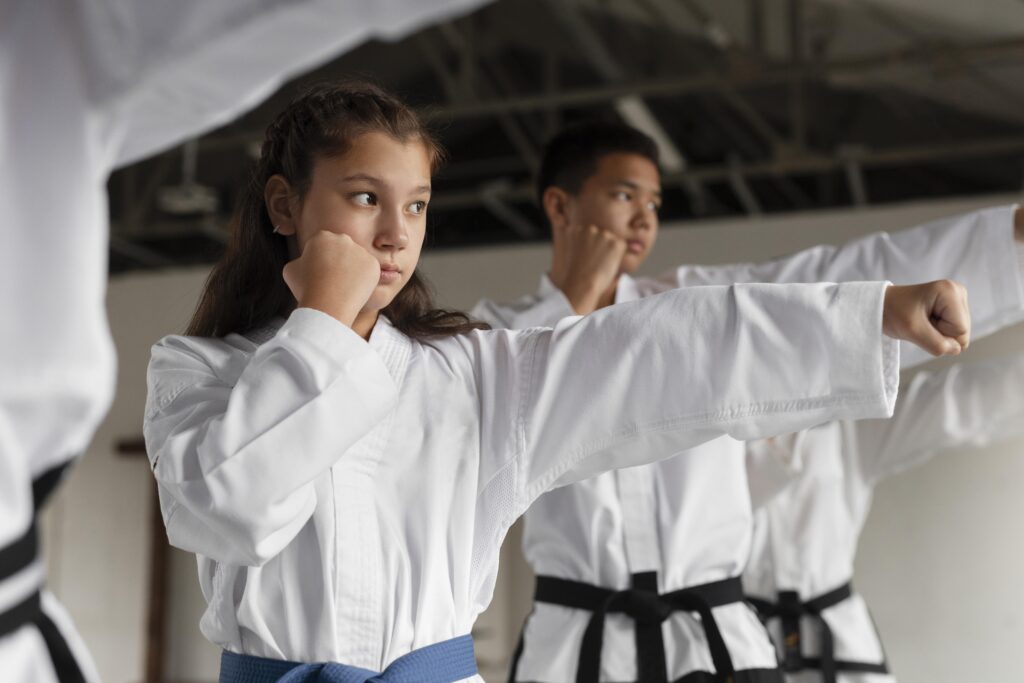
For many students, especially beginners, the first karate grading can feel a little nerve-wracking—and that’s completely normal. This milestone marks your progress in karate and is a chance to demonstrate the skills you have learned since you first stepped onto the dojo floor. It’s natural to feel a mix of excitement and anxiety, but remember, everyone in the room—from your fellow students to your instructors—has experienced their own first grading. The key is to approach the grading with an open mind and a willingness to do your best.
At LBKI New Zealand, grading is not about catching you out or making you feel uncomfortable. Instead, it is designed as a supportive process that helps you see how far you have come in your karate journey. The instructors and senior students want to encourage your growth, not intimidate you.
👉 It’s about recognising your progress, effort, and commitment. Through grading, you get feedback on your strengths and areas to improve, which is essential for personal development. Every grading is an opportunity to reflect on your journey and set new goals for your next stage of training.
What You’ll Be Assessed On
In Budokan Karate, your grading focuses on three key areas, each representing an essential aspect of your martial arts skill set:
- Kihon (Basics) – punches, kicks, and blocks
- Kata (Forms) – movement, balance, and control
- Kumite (Partner Work) – timing, awareness, and control
👉 Strong basics are the foundation of Budokan Karate, so focus on doing each technique correctly.
What Instructors Look For
When you step onto the floor for grading, instructors aren’t just watching your techniques. They observe your attitude, how you carry yourself, and how you treat others. Karate is as much about developing character as it is about physical ability.
It’s not just about technique.
Our instructors also assess:
- Focus and attention
- Respect and etiquette
- Effort and attitude
- Ability to follow instructions
👉 Students who show discipline and effort often stand out more than those who try to rush. Take your time, breathe deeply, and focus on the instructions given. It’s better to do a movement slowly and correctly than quickly and incorrectly.
How to Prepare for Your Grading
Preparation is simple and consistent:
Start your preparation a few weeks before grading day. Review the syllabus or checklist given by your dojo. Ask your Sensei if you are unsure about any technique or requirement. The more familiar you are with what will be expected, the more confident you’ll feel.
- Attend classes regularly
- Practice basics at home. Even a few minutes a day can make a big difference. Focus on stances, punches, and kicks, and try to practice in front of a mirror or record yourself to spot areas for improvement.
- Listen carefully to your Sensei. They will often give tips specifically for grading, such as common mistakes to avoid or key points to remember. Don’t hesitate to ask questions if you’re unsure about anything.
👉 Even short daily practice helps build confidence.
Feeling Nervous? That’s Normal
Most students feel nervous before their first grading.
That’s a good thing—it means you care.
👉 Stay calm, listen carefully, and do your best. Trust in your preparation, and don’t compare yourself to others. Everyone progresses at their own pace in karate.
Your Progress Is in Your Hands
Karate is a personal journey. While your instructor and fellow students will support you, your progress ultimately depends on your own commitment. Take ownership of your learning by setting small, achievable goals and reflecting on your development after each class.
At LBKI, your instructor will guide you—but:
👉 Your improvement depends on your effort outside class, too.
Practising regularly, even for a few minutes, can make a big difference.
What Grading Really Means
Yes, you’ll earn a new belt. This achievement is a symbol of the hard work, discipline, and determination you’ve shown since starting karate. Be proud of your accomplishment, but remember that each belt is just the beginning of the next stage in your journey.
But more importantly, you’ll develop qualities that last a lifetime:
- Confidence
- Discipline
- Focus
👉 These are life skills that help both inside and outside the dojo. Karate teaches you to face challenges with courage and to treat yourself and others with respect. These lessons extend far beyond martial arts and will serve you well in all areas of life.
Final Note
You will only be invited to grade when your instructor believes you are ready.
👉 Trust your training, stay focused, and enjoy the experience. Grading is a celebration of your efforts and an important step in your karate journey. Embrace it with enthusiasm and pride.