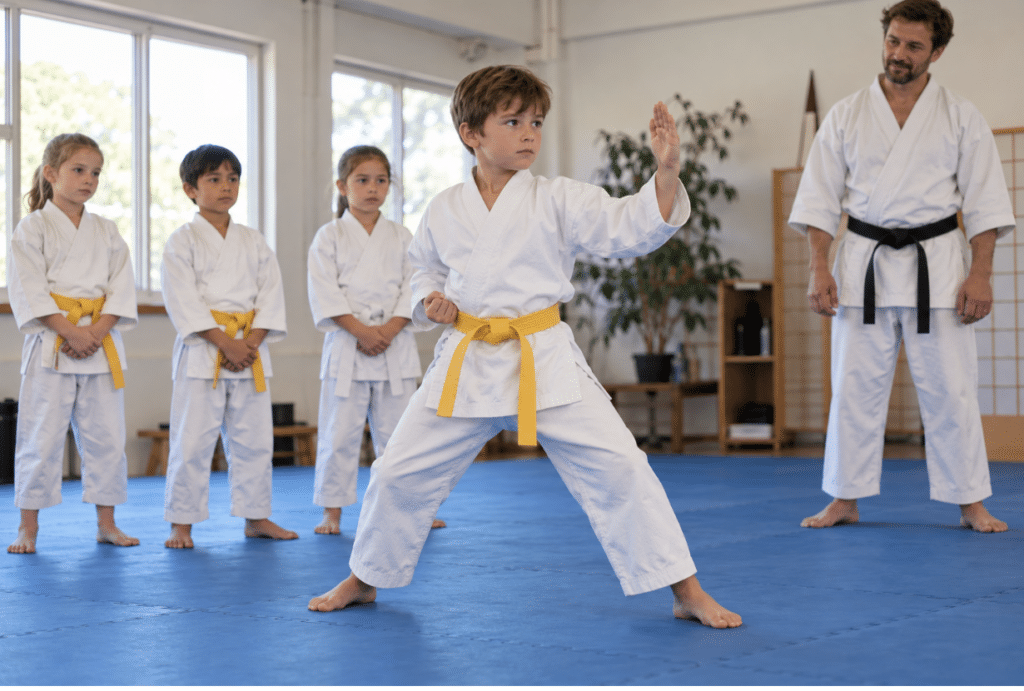
Every parent wants their child to grow up feeling confident. Not the kind of confidence that comes from being the loudest in the room, but the quiet confidence that helps them try new things, make good decisions, speak up when something doesn’t feel right, and bounce back from challenges.
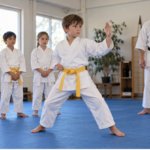
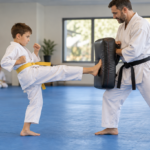
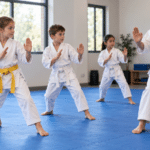
The reality is that children don’t develop confidence as they grow older. Like reading, swimming, or riding a bike, it’s a skill that develops through experience. That’s one reason more Auckland parents are enrolling their children in martial arts. While many people think martial arts is all about kicks and punches, the biggest lessons often have nothing to do with physical techniques.
Instead, children learn how to stay aware, believe in themselves, and handle everyday situations with confidence.

Confidence Isn’t Something Children Are Born With
Some children naturally appear confident. Others are quieter, more cautious, or take longer to settle into new environments. Neither is right nor wrong.
Confidence develops through positive experiences. Every time a child learns a new skill, overcomes a challenge, or achieves a goal they once thought was difficult, they build trust in themselves.
Martial arts creates these opportunities every single week. Children are encouraged to learn something new, practise until they improve, accept mistakes as part of learning and celebrate progress instead of perfection. Over time, these small wins create lasting confidence.
Learning to Stay Aware of What’s Happening Around Them
Awareness is one of the most valuable life skills a child can develop. It’s not about expecting danger everywhere they go.
It’s about paying attention.
Children who develop good awareness are more likely to notice changes in their surroundings, recognise uncomfortable situations, and make better decisions. In martial arts, awareness becomes part of almost every lesson. Students learn to listen carefully to instructions, observe what’s happening around them, focus on one task at a time, and also Stay present instead of becoming distracted.
Children may begin using these habits outside class too. Parents often notice children becoming more attentive at school, more organised at home, and more aware of their surroundings when out in public.
Confidence Starts With Small Achievements
Martial arts progress is gradual, which is one reason it is so effective for kids. Nobody knows everything when they enter their first class. Every learner starts with the fundamentals.
As children continue attending classes, they begin achieving goals they once thought were impossible. It might be learning a new movement, remembering a sequence, standing in front of the class, completing a grading and more.
Each achievement sends an important message: “I can do difficult things if I keep practising.” That lesson often becomes far more valuable than the technique itself.
Learning to Make Better Decisions Under Pressure
Children face pressure every day. Sometimes it’s as simple as answering a question in class.
At other times, it involves handling conflicts, peer pressure, or new circumstances. Children who practice martial arts regularly get the chance to stay composed under pressure. Rather than reacting emotionally, pupils learn to pause before responding, listen carefully, think clearly, follow instructions, and solve problems step by step.
These are skills that support children throughout school and later in life.
Respect Is Built Into Every Lesson
One reason parents appreciate martial arts is that confidence is always balanced with respect. Children quickly learn that confidence doesn’t mean showing off or trying to dominate others. Instead, they learn to respect everyone.
This respectful culture creates an environment where children feel safe to learn without worrying about being judged for making mistakes.
Discipline Without Pressure
Sometimes the word “discipline” can sound harsh. Discipline is far more beneficial in martial arts. It means learning to stay committed, follow routines, and persevere through challenges. Kids learn self-control by:
- Arriving ready to learn.
- Following instructions.
- Practising consistently.
- Showing patience.
- Working towards goals.
These behaviours often carry over to other sports, household duties, and school. When kids learn to take things one step at a time, parents often see gains in their ability to concentrate.
Why Awareness Matters Beyond Martial Arts
Awareness isn’t just useful during training. Children use it every day.
For example, awareness helps children:
- Notice traffic before crossing a road.
- Recognise when someone is invading their personal space.
- Stay focused during school activities.
- Follow instructions more effectively.
- Make safer choices in unfamiliar environments.
These practical skills become part of everyday decision-making. This is one reason many parents exploring Self Defence Classes Auckland discover that martial arts offers much more than physical training.
The Connection Between Confidence and Self-Defence
Many people assume self-defence starts with physical techniques. In reality, confidence often comes first.
Children who communicate clearly, maintain good posture, and remain aware of their surroundings are often better prepared to avoid difficult situations altogether.
Good martial arts instruction focuses on helping children trust their instincts, set healthy personal boundaries, stay calm, seek help from trusted adults and make sensible decisions. These lessons form the foundation of practical self-protection without encouraging aggression.
Why Auckland Parents Are Choosing Martial Arts
Across Auckland, including West Auckland and New Windsor, families want activities that offer more than physical exercise.
They want children to develop life skills that will continue benefiting them long after class finishes.
Martial arts provides an environment where children can build confidence, improve concentration, develop resilience, learn respect, stay active and make new friends. For many parents, these long-term benefits become far more important than learning techniques alone.
It’s one reason Kids Karate in Auckland continues to grow in popularity among families looking for structured, positive activities.

Every Child Grows at Their Own Pace
One of the greatest strengths of martial arts is that children aren’t expected to progress at the same speed. Some children become confident very quickly, and others need a little more time.
A good instructor gives children time to find their feet. They help each child notice their own progress instead of worrying about who is ahead. Children can try something challenging without feeling they have to keep up with everyone else.
Final Thoughts
Gaining confidence takes time. Small victories, encouraging words, and chances to overcome obstacles are what build it. Every week, martial arts provides kids with those chances.
By developing awareness, discipline, respect, resilience, and decision-making skills, children become better prepared to handle everyday situations with confidence.
If you’re looking for an activity that supports your child’s personal development as much as their physical development, exploring Self Defence Classes in Auckland is a great place to begin. Combined with structured Karate programmes, martial arts helps children build skills they’ll carry with them for years.
Frequently Asked Questions From Parents
How does martial arts improve a child’s confidence?
Martial arts help children achieve goals through consistent practice. Every new skill they learn builds confidence and encourages them to believe in their abilities.
Can martial arts help shy children?
Yes. Many shy children become more confident over time as they practise new skills, interact with classmates, and receive positive encouragement from instructors.
What does awareness mean in martial arts?
Awareness means paying attention to your surroundings, listening carefully, recognising potential risks, and making thoughtful decisions rather than reacting impulsively.
Does martial arts help children focus at school?
Many parents notice improvements in concentration because martial arts encourage children to listen, follow instructions, and stay focused during class.
Is confidence more important than physical strength?
For children, confidence, awareness, and good decision-making are often more valuable life skills than physical strength alone. Martial arts help develop both.