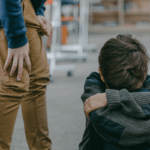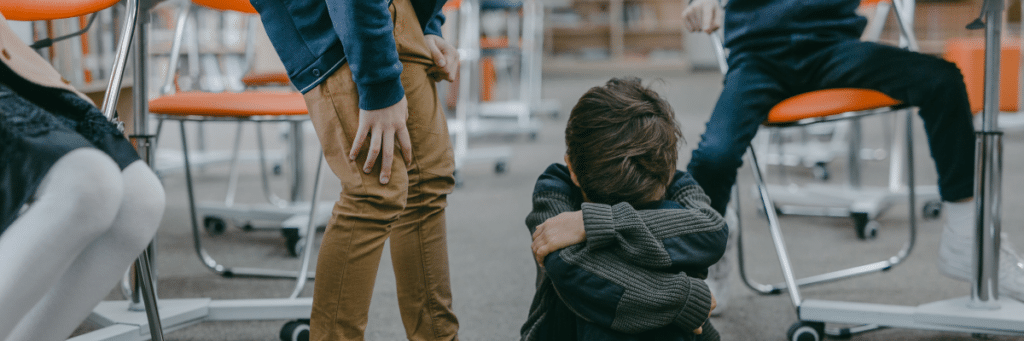
Bullying is a reality many children face, whether at school, on the playground, or online. Almost every parent has worried at some point about their child’s safety, confidence, and sense of belonging. Fortunately, karate helps kids in Auckland deal with bullying by developing resilience, self-control, confidence, and practical life skills that extend far beyond the dojo.
Karate is about much more than learning punches and kicks. It helps children develop confidence, resilience, self-discipline, and the ability to respond to challenges calmly and in a controlled manner. These qualities can play an important role when dealing with bullying and difficult social situations.
To understand why karate can make such a positive difference, let’s explore how it addresses the physical, emotional, and social aspects of bullying while helping children build lifelong confidence and resilience.
What Is Karate and Why Does It Matter for Kids
Karate is a traditional Japanese martial art that focuses on striking, self-defence, discipline, and mental calmness. More than punches and kicks, it teaches respect, self-discipline, self-awareness, and self-control, all essential life skills for growing children.
In Auckland, where diverse social environments and competitive school settings can sometimes lead to bullying, karate provides kids with tools that go far beyond physical defence. Let’s look at these benefits in detail.
1. Builds Confidence From the Inside Out
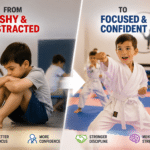
One of the biggest ways karate helps kids in Auckland deal with bullying is by boosting self-confidence, and confidence is one of the strongest defences against being targeted.
Most kids who experience bullying feel uncertain, shy, or afraid to stand up for themselves. Karate helps by giving children new skills they can master and measure progress in.
- Belt promotions and accomplishments provide visible evidence of progress, directly enhancing children’s self-assurance.
- The skills kids acquire are their own achievements, not measures against others.
When kids believe in themselves, how they look, how they move, and how they think, they naturally become less vulnerable to bullying.
2. Teaches Emotional Control and Calm Reaction
Bullying is psychological and emotional as well as physical. It concerns how a youngster responds to distressing circumstances:
* Are they in a panic?
* Do they snap?
* Do they pull out?
Children learn self-control, patience, and emotional equilibrium through karate, which helps them respond appropriately rather than impulsively. By means of regular practice:
* They acquire the ability to remain composed under duress.
* They acquire breathing exercises to help them relax.
* They learn to maintain concentration in the face of difficulty.
These mental skills strengthen children’s ability to face teasing or confrontation without panic, promoting calm conflict resolution.
3. Real Self-Defence Skills (Only When Needed)
Karate isn’t about fighting or violence, despite popular belief. Self-defence is emphasised only in real martial arts training when there is no other option. The main emphasis is always on:
- Awareness
- Avoidance
- Flight
- Defense
Youngsters are taught to recognise danger, avoid confrontation safely, and defend themselves only in dire circumstances. This pragmatic approach helps prevent youngsters from acting recklessly and instils a sense of security and readiness.

4. Encourages Respect for Others
Respect is one of the most important values taught in karate. At LBKI Karate, students learn to respect their instructors, classmates, and themselves through structured training and dojo etiquette.
By learning to communicate respectfully, understand boundaries, and support others, children develop healthier social interactions both inside and outside the dojo. These skills can help reduce bullying behaviours while giving children the confidence to respond appropriately when faced with difficult situations.
5. Strengthens Emotional Resilience
Resilience is the ability to endure hardship. Karate cultivates this through:
Managed challenges
Karate builds resilience by progressively increasing training demands, teaching kids that true development requires time and effort.
Experience and competence
Every skill acquired strengthens perseverance and the capacity to bounce back from setbacks.
A nurturing environment
Children feel more secure and involved when they get support from their teachers and peers. Resilient children can better withstand peer pressure and bullying, remaining calm and self-assured.
6. Builds Social Interaction & Team Spirit
Karate classes are a community. Kids train together, cheer for each other, and learn to respect one another. This social exposure helps children:
- Make new friends
- Feel part of a team
- Improve your ability to communicate
- Create networks of peer assistance.
Children who are a part of a supportive group experience less loneliness and are therefore less susceptible to bullying.
7. Encourages Healthy Habits & Physical Fitness
A child’s emotional and physical health may be impacted by bullying. Children benefit from karate:
- Strengthening
- Harmony
- Adaptability
- Awareness of the body
- Stress reduction
Increased self-confidence and less social uneasiness are correlated with improved strength and posture.
8. Improves Focus and Academic Performance
Karate discipline, such as listening skills, goal-setting, and mental focus, often transfers to academic achievement. A youngster who is attentive, calm, and disciplined in class is less likely to suffer socially and is more likely to get the respect of instructors and classmates.

Final Thoughts
Karate isn’t just about physical strength; it’s about mental strength, moral character, and emotional balance. In Auckland’s growing communities, where children face diverse social pressures, karate equips kids with the tools to handle bullying with confidence, self-respect, and dignity.
At Lion Budokan Karate International (LBKI), we empower children not only to defend their bodies but also to master their minds and develop lifelong resilience. If your child faces confidence issues, social challenges, or bullying, take decisive action. Karate offers practical, proven support and real change.