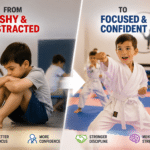
If you’re raising a teenager, you’ve probably seen how quickly their confidence can change. They might seem happy and outgoing one day, then become quiet or start doubting themselves the next. School, friendships, exams and social media can all add pressure, making it easy for teenagers to lose confidence or hold themselves back. That’s why many parents look for activities that do more than keep their teens active. They want something that helps them grow into confident, resilient young adults.
While there is no fast remedy for confidence, karate provides what many teens require: a supportive atmosphere in which they may develop at their own speed. At LBKI, students learn more than just punches and kicks. They gain discipline, resilience, respect, and self-belief via tiny accomplishments that progressively define who they are.
Why Confidence Often Drops During the Teenage Years
Teenagers face pressures that previous generations never experienced. Alongside schoolwork and exams, they are constantly exposed to social media where everyone appears more successful, happier or more confident. It’s easy to compare yourself with others and feel like you’re falling behind.
Karate is the best way to encourage teens, helping them towards their personal progress. Every student starts somewhere, and achievement is determined by effort rather than popularity. Many parents pick karate to assist teenagers:
- Helps to build self-belief through achievable goals.
- Develop discipline and resilience
- Improve focus at school
- Stay active away from screens
- Learn respect and responsibility
- Meet positive mentors and friends
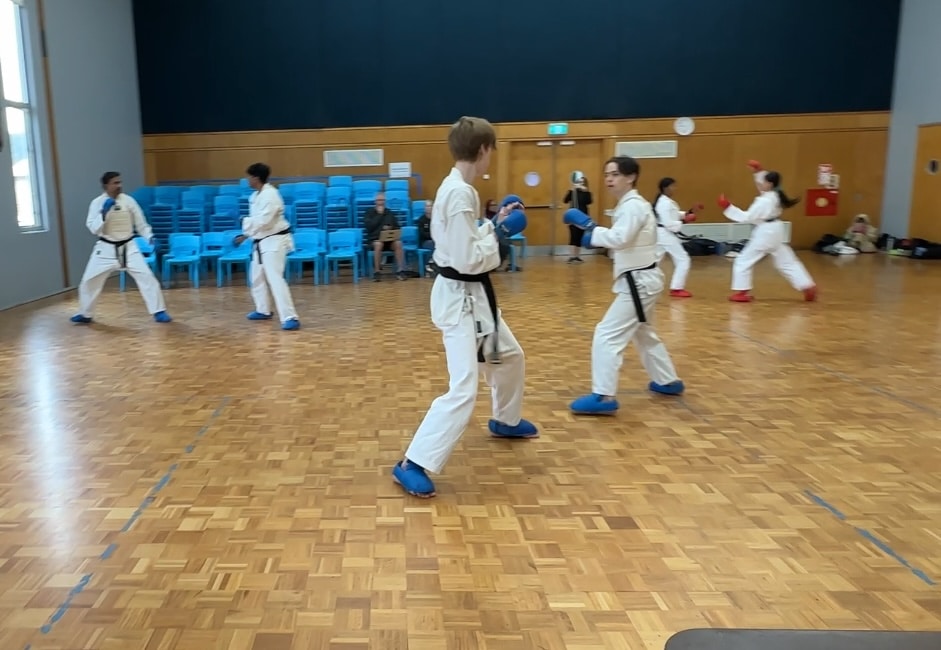
How Confidence Grows Through Karate
Confidence doesn’t appear overnight. It grows from small wins that happen week after week. When teens learn a new move, master a kata, or earn their next belt, they see that hard work really does pay off.
Before Karate | After Regular Training |
Avoids challenges | Willing to try new things |
Unsure of abilities | Greater self-belief |
Gets frustrated easily | Learns perseverance |
Poor posture | More confident body language |
More Than a Sport
Karate fosters a good environment in which youngsters assist each other rather than compete for attention. Older students encourage younger pupils, everyone wears the same uniform, and everyone is treated with respect. This warm atmosphere makes youngsters feel like they belong.
Life Skills That Go Beyond the Dojo After Learning Karate
Parents are sometimes surprised by what happens outside of karate class. When faced with a challenge, pupils become more organised, talk more confidently, and have more patience. Common enhancements include:
- Better concentration during school
- Greater confidence speaking to others
- Improved resilience after setbacks
- Stronger self-discipline every time
- Healthier routines and regular exercise
Why Parents Choose LBKI?
Many families appreciate LBKI in New Zealand because karate classes focus on developing character as well as technique. Every student is encouraged to improve at their own pace while learning respect, perseverance and confidence in a safe, welcoming environment.
Is Karate Right for Your Teen?
Karate could be a great choice if your teenager:
✓ Lacks confidence while talking to people or stepping outside
✓ Needs a positive hobby
✓ Wants to become more active
✓ Spends too much time on screens
✓ Would benefit from supportive mentors
✓ Wants to develop lifelong skills
Conclusion
Confidence isn’t built through words alone. It grows every time a teenager steps outside their comfort zone, learns from mistakes and keeps moving forward. Karate provides those opportunities every week. Over time, the confidence developed in the dojo often carries into school, friendships and future careers. At LBKI, we’ve seen countless teenagers become more resilient, respectful and self-assured simply because they believed in the process and kept showing up.
The confidence teenagers build in karate often extends far beyond the dojo, helping them approach school, friendships and everyday challenges with a more positive mindset.
Frequently Asked Questions
Q. Can beginners join karate?
A. Yes. Beginners of all experience levels are welcome for karate classes.
Q. Will karate improve confidence for all students?
A. Yes, of course. Regular training helps teenagers build confidence through steady progress.
Q. Is karate safe?
A. Classes are structured and supervised by experienced instructors.
Q. How often should teenagers train?
A. Two or three classes each week is ideal.
Q. Does karate only teach self-defence?
A. No. It also develops discipline, respect, resilience and fitness.